Troubleshooting Gel Polish Lifting: A Free Guide to Perfect Nail Prep and Bonding
Estimated Read Time: 5 mins Difficulty Level: IntermediateJump to Section
Few things are more frustrating for a nail professional or a DIY enthusiast than a fresh gel manicure that starts lifting after only a few days. Gel polish is engineered for durability, designed to withstand two to three weeks of wear. When it fails prematurely, the culprit is almost always rooted in the preparation phase or the application technique.
In this guide, we will dissect the common causes of "lifting" (the separation of the gel from the natural nail plate) and provide a professional blueprint for achieving an unbreakable bond.
Understanding Why Gel Lifts
Lifting usually occurs because the bond between the keratin of the natural nail and the polymer of the gel has been compromised. This bond can be mechanical (the gel "grips" a roughened surface) or chemical (the primer creates a double-sided adhesive bridge). If there is any barrier—such as oil, moisture, or skin—between these two surfaces, the gel will eventually pull away.
Lifting typically presents in two ways: Cuticle Lifting, usually caused by improper skin removal, and Free Edge Lifting, which stems from failure to seal the tip or excessive contact with water and chemicals.
The Foundation: Mechanical Nail Prep
The first step in preventing lifting is creating a clean, receptive surface. The natural nail plate is smooth and often covered in microscopic layers of oil and dead skin cells.
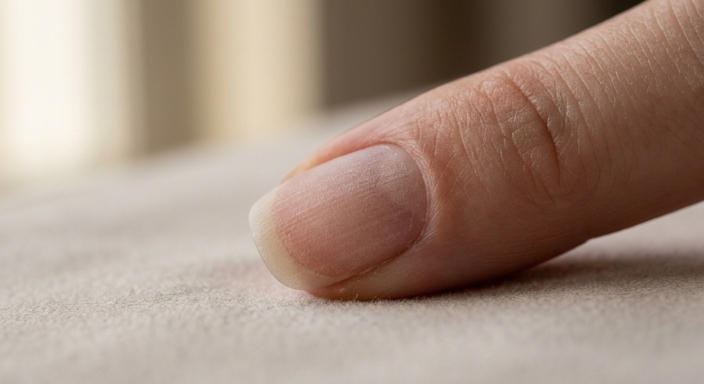
Mechanical prep involves three critical steps:
- Pterygium Removal: The pterygium is the "true cuticle"—the thin layer of skin that grows onto the nail plate. If gel polish is applied over this skin, it will lift as the skin naturally sheds. Use a high-quality cuticle pusher or an e-file with a flame bit to gently clear the entire nail plate, especially in the corners.
- Surface De-shining: Use a 180 or 240-grit buffer to gently remove the natural shine from the nail. You aren't trying to thin the nail; you are simply "opening up" the keratin fibers so the base coat has something to anchor to.
- Dust Removal: Dust is a major contaminant. Use a stiff nylon brush to scrub the dust out of the sidewalls and cuticle area. Simply blowing on the nails is insufficient and introduces moisture.
Chemical Preparation and Priming
Even a perfectly buffed nail can fail if it is oily or hydrated. The chemical prep stage involves dehydration and pH balancing.
Dehydrators: A professional dehydrator (usually a mixture of Isopropyl Alcohol and Ethyl Acetate) evaporates moisture and oils from the top layers of the nail. This should be applied liberally and allowed to air dry until the nail looks chalky white.
Primers: There are two main types of primers:
- Acid-Free Primer: Acts like double-sided tape. It leaves a slightly tacky residue that creates a chemical bond between the nail and the gel. This is the standard for most gel systems.
- Acid Primer: Contains methacrylic acid to etch the nail plate more deeply. This is typically reserved for "problem lifters" with very oily nail plates, though it must be used sparingly to avoid thinning the nail over time.
Application Precision: Capping and Sealing
How you apply the gel is just as important as how you prep the nail. The "Golden Rule" of gel application is to keep the product off the skin. If the gel touches the cuticle or the sidewalls, it creates a "bridge." As the nail grows, that bridge will break, creating a gap where water and oils can enter and lift the entire coating.
The "Capping" Technique: Every layer—base coat, color, and top coat—must be capped. This means running the brush along the very edge (the thickness) of the free edge. This "shrink-wraps" the nail and prevents the gel from pulling back during curing, which is the leading cause of tip-wear and peeling.
Apply gel in thin, even layers. Thick layers often result in an "incomplete cure," where the top layer is hard but the bottom remains soft and gooey. This hidden pocket of uncured gel will inevitably lead to lifting and potential allergic reactions.
Environmental and Lifestyle Impacts
Sometimes, lifting isn't the fault of the technician but the environment. Constant exposure to hot water (dishwashing without gloves), harsh cleaning chemicals, or frequent use of hand sanitizers can dry out the natural nail, causing it to curl away from the rigid gel coating.
Encourage clients to use high-quality cuticle oil daily. While it sounds counterintuitive to add oil to a gel manicure, the oil keeps the natural nail flexible. A flexible nail moves with the gel; a brittle nail snaps away from it.