In the modern nail industry, the conversation has shifted from "how long does it last?" to "how safe is it?" As a professional nail technician, your health and the health of your clients are your most valuable assets. Recent years have seen a surge in skin sensitivities and contact dermatitis linked directly to specific ingredients in traditional gel polishes. This guide serves as your comprehensive resource for navigating the complex world of HEMA-free and non-toxic formulations.
HEMA, or Hydroxyethyl Methacrylate, is a monomer commonly used in nail adhesives and gel polishes. Its primary function is to provide excellent adhesion and a smooth, hard finish. Because it is a small molecule, it penetrates the nail plate and skin easily, making it highly effective at its job.
However, that same ability to penetrate skin is exactly why it has become a point of concern. When uncured HEMA comes into contact with the skin repeatedly—whether through accidental spills, over-filing, or improper curing—the immune system can begin to recognize it as a threat. This leads to the development of a lifelong allergy.
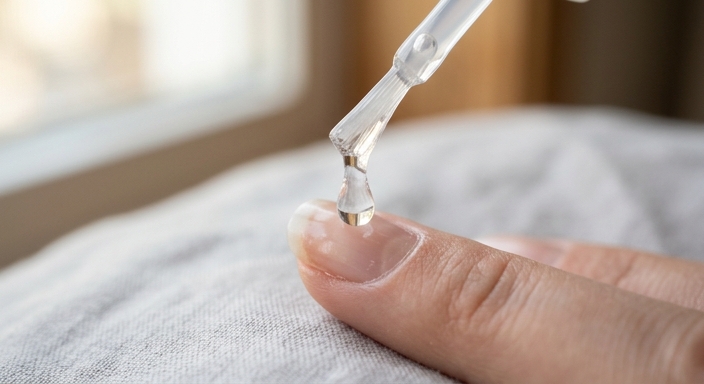
The "allergy epidemic" is not hyperbole. Dermatologists worldwide have reported a significant spike in acrylate allergies. For a nail professional, developing a HEMA allergy can be career-ending. Symptoms range from itchy, red cuticles and peeling skin to more severe reactions like respiratory issues or nail plate detachment (onycholysis).
By choosing HEMA-free formulations, you significantly reduce the risk of sensitization. These products use larger molecular structures that cannot easily penetrate the skin barrier, providing a safer environment for both the applicator and the client.
You may see gels labeled as 5-Free, 9-Free, or even 21-Free. But what do these actually mean? Generally, these labels indicate the absence of specific toxic chemicals common in older nail polish formulations. The most critical substances to avoid include:
A "professional non-toxic" gel should ideally be at least 9-free and HEMA-free. When reviewing products, always ask for the Safety Data Sheet (SDS). This document provides a full breakdown of chemical components, hazards, and handling instructions.
A common misconception is that HEMA-free or non-toxic gels don't perform as well as traditional formulas. While it's true that early iterations of "green" gels had issues with adhesion and longevity, modern chemistry has bridged the gap.
Premium HEMA-free gels, like those developed by Candy Gel, utilize advanced oligomers that provide the same 3-4 week wear time and high-gloss finish without the irritants. The key to performance lies in the photo-initiators. Ensure your curing lamp is compatible with the specific wavelength required by your non-toxic gel brand to ensure a full, deep cure every time.
Switching your entire kit can feel overwhelming, but it is a vital step for future-proofing your business. Start by replacing your base coats and primers first, as these have the most direct contact with the natural nail. Follow these steps for a smooth transition:
Can a client who already has a HEMA allergy use HEMA-free gel?
In many cases, yes. However, since many people with a HEMA allergy are also sensitive to other acrylates, it is highly recommended to perform a patch test first or consult with their dermatologist.
Are HEMA-free gels more expensive?
They can be slightly more expensive due to the higher cost of premium raw materials (larger molecules/oligomers), but the investment protects your health and reduces the risk of insurance claims or lost clients due to reactions.
Does "HEMA-free" mean "Natural"?
No. Nail gel is a chemical product. "HEMA-free" simply means it excludes a specific irritant. It is still a synthetic product designed for professional use.
HEMA-Free Gel Nail Polish
View on AmazonNon-Toxic 9-Free Gel Polish
View on AmazonShare this guide:
If you found this guide helpful, consider leaving a tip!